
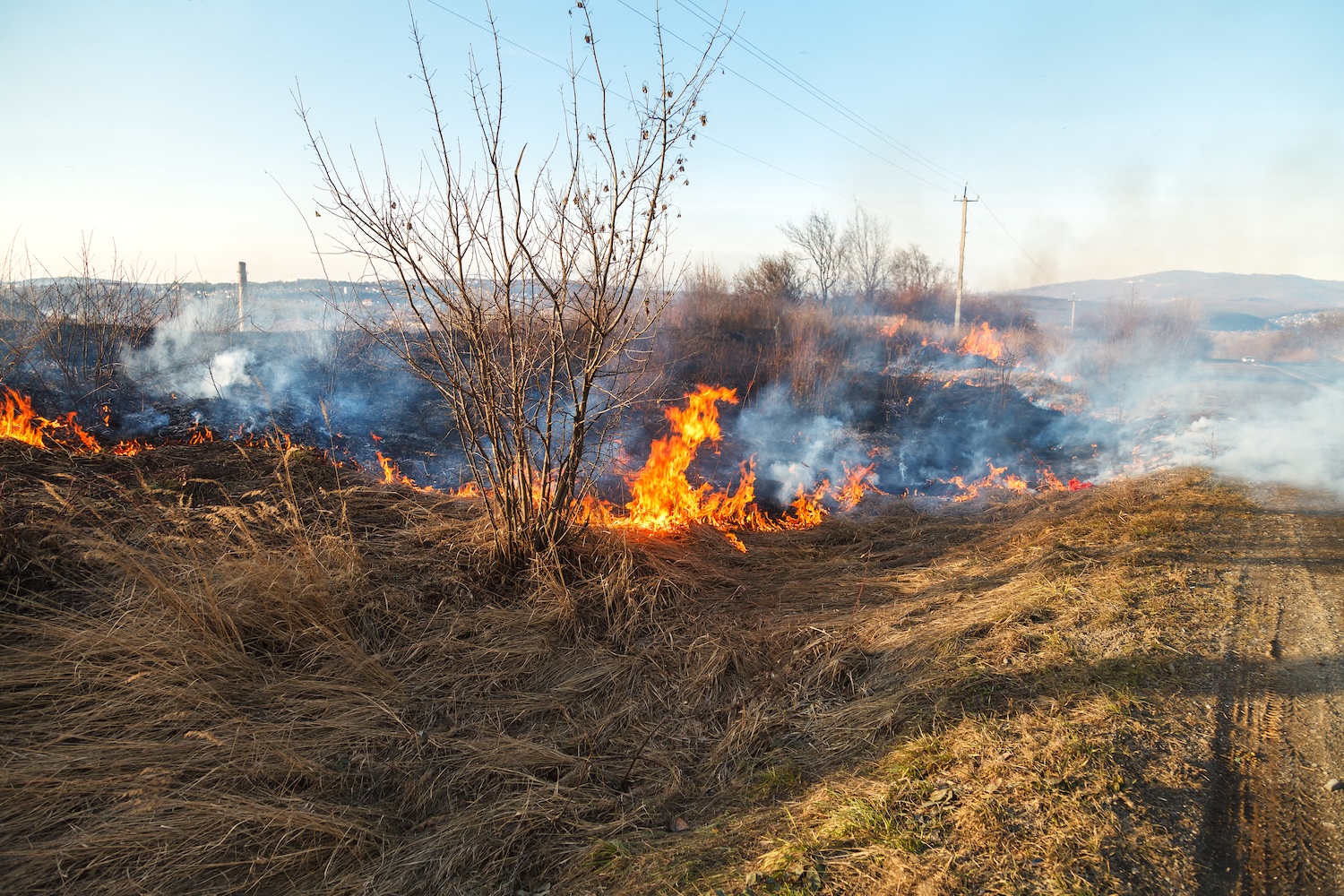
How can Colorado homeowners better protect their homes from wildfire risk before disaster strikes?
Wildfire conversations in Colorado are no longer limited to mountain towns or heavily wooded areas.
With ongoing drought concerns, changing weather patterns, and growing wildfire exposure across the state, more homeowners are asking what they can do now to reduce risk before a fire ever reaches their neighborhood.
And increasingly, insurance companies are asking the same question.
At The Mitchell Insurance Group, we’ve seen wildfire preparedness become a much bigger part of conversations around homeowners insurance, underwriting, and long-term insurability.
This isn’t just about filing claims after a loss.
It’s about reducing the chance of loss in the first place.
Why Wildfire Preparation Matters More Than Ever
Colorado homeowners are facing a changing insurance environment.
As wildfire risk increases, carriers are paying closer attention to:
- Property location
- Vegetation around the home
- Roofing materials
- Defensible space
- Community wildfire mitigation efforts
According to the Colorado State Forest Service1, creating defensible space around homes is one of the most effective ways to reduce wildfire risk and improve a home’s chance of surviving a wildfire.
In many cases, wildfire mitigation efforts may also help homeowners maintain better insurance options and underwriting eligibility over time.
What Is a Firewise Community?
You may have heard the term “Firewise community” recently across Colorado.
These are neighborhoods and communities that actively work to reduce wildfire risk through:
- Vegetation management
- Community planning
- Homeowner education
- Fuel reduction efforts
- Emergency preparedness
For homeowners living near open space, foothills, or forested areas, being part of a Firewise community can become increasingly important as insurance carriers evaluate wildfire exposure.
The National Fire Protection Association (NFPA)2 notes that reducing fuels and creating safer spaces around homes can significantly improve wildfire resilience.
Start With the First 5 Feet Around Your Home
One of the biggest things wildfire experts emphasize is the area immediately surrounding your home.
In fact, the first five feet around the structure are often considered one of the most critical zones.
This means:
- Avoid heavy landscaping directly against the house
- Limit mulch near the foundation
- Remove dead plants and debris
- Keep combustible materials away from siding
Many homeowners are surprised to learn that decorative landscaping can sometimes become fuel during a wildfire event.
This is also where ColoradoScaping and xeriscaping conversations are becoming more common especially with ongoing drought concerns across the state.
Drought-friendly landscaping not only helps conserve water, but may also help reduce wildfire fuel around the property when planned properly.
Landscaping Choices Matter More Than You Think
We often think of wildfire risk as trees and forests but landscaping itself can play a major role.
Things that may increase risk include:
- Overgrown shrubs
- Trees too close to the home
- Wood mulch
- Dense vegetation
- Dead branches and dry grass
Some homeowners are now creating:
- Gravel barriers
- Stone landscaping zones
- Irrigated defensible areas
- Reduced fuel landscaping designs
Simple changes can make a meaningful difference.
Avoid Wood Fencing Connected Directly to the Home
This is one many homeowners never think about.
Wood fencing attached directly to the home can potentially create a path for fire to travel toward the structure.
Some homeowners are now choosing:
- Metal transition gates
- Non-combustible fencing sections near the house
- Stone or masonry barriers
It’s a small detail that can become important during wildfire mitigation evaluations.
Trash Cans, Hot Tubs, and Outdoor Features Can Increase Risk
Certain outdoor items may unintentionally create additional wildfire exposure.
For example:
- Trash cans can become combustible during intense heat
- Hot tubs and outdoor furniture may contain flammable materials
- Storage boxes, cushions, and wood piles can increase fuel sources
Many wildfire experts recommend:
- Keeping trash cans away from structures
- Moving combustible items away during high-risk periods
- Creating cleaner, more open zones near the home
These are the types of details many homeowners simply haven’t been taught to think about before.
Home Upgrades That May Help Reduce Wildfire Exposure
Some home improvements may also help strengthen wildfire resilience over time.
Examples include:
- Metal roofing
- Ember-resistant vents
- Retaining walls
- Updated siding materials
- Tree mitigation work
- Defensible landscaping projects
And while these upgrades don’t guarantee coverage outcomes, they may help improve how insurers evaluate wildfire risk.
Much like we discussed in Homeowner Basics 101: Your Annual Insurance Checklist (Colorado), homeowners insurance should not be treated as something you “set and forget” especially in a state where environmental risks continue to evolve.
Wildfire Readiness Is About Prevention, Not Panic
One of the biggest misconceptions we see is homeowners feeling like wildfire preparation only matters if they live deep in the mountains.
But wildfire exposure conversations are expanding across Colorado and many homeowners are now reviewing:
- Landscaping
- Roofing
- Coverage limits
- Rebuilding costs
- Community preparedness
This is similar to what we discussed in Homeowners Insurance: Read This Before the Next Storm and When Should Colorado Homeowners Prepare for Hail Season and Insurance Coverage? preparation matters long before a claim happens.
The goal isn’t fear.
It’s readiness.
Small Changes Today Can Help Protect Your Home Tomorrow
Wildfire mitigation isn’t about making your property look extreme or stripped down.
It’s about making thoughtful adjustments that may:
- Reduce risk
- Improve safety
- Help protect your home
- Support long-term insurability
And as Colorado continues adapting to drought and wildfire concerns, those conversations will likely become even more important for homeowners in the years ahead.
FAQs
What is defensible space around a home?
Defensible space is the buffer zone between a structure and surrounding vegetation that helps slow or reduce wildfire spread.
How far should landscaping be from my home for wildfire safety?
Wildfire experts often recommend carefully managing the first five feet around the home by limiting combustible landscaping and debris.
Can wildfire mitigation affect homeowners insurance?
In some cases, yes. Wildfire mitigation efforts may help with underwriting evaluations and maintaining insurance eligibility depending on the carrier and location.
What is a Firewise community?
A Firewise community is a neighborhood or area that actively works to reduce wildfire risk through mitigation, education, and preparedness efforts.
Are metal roofs better for wildfire protection?
Metal roofs are generally considered more fire-resistant than many traditional roofing materials and are commonly recommended in wildfire-prone areas.
Sources:
- https://csfs.colostate.edu/wildfire-mitigation/
- https://www.nfpa.org/education-and-research/wildfire/firewise-usa
