
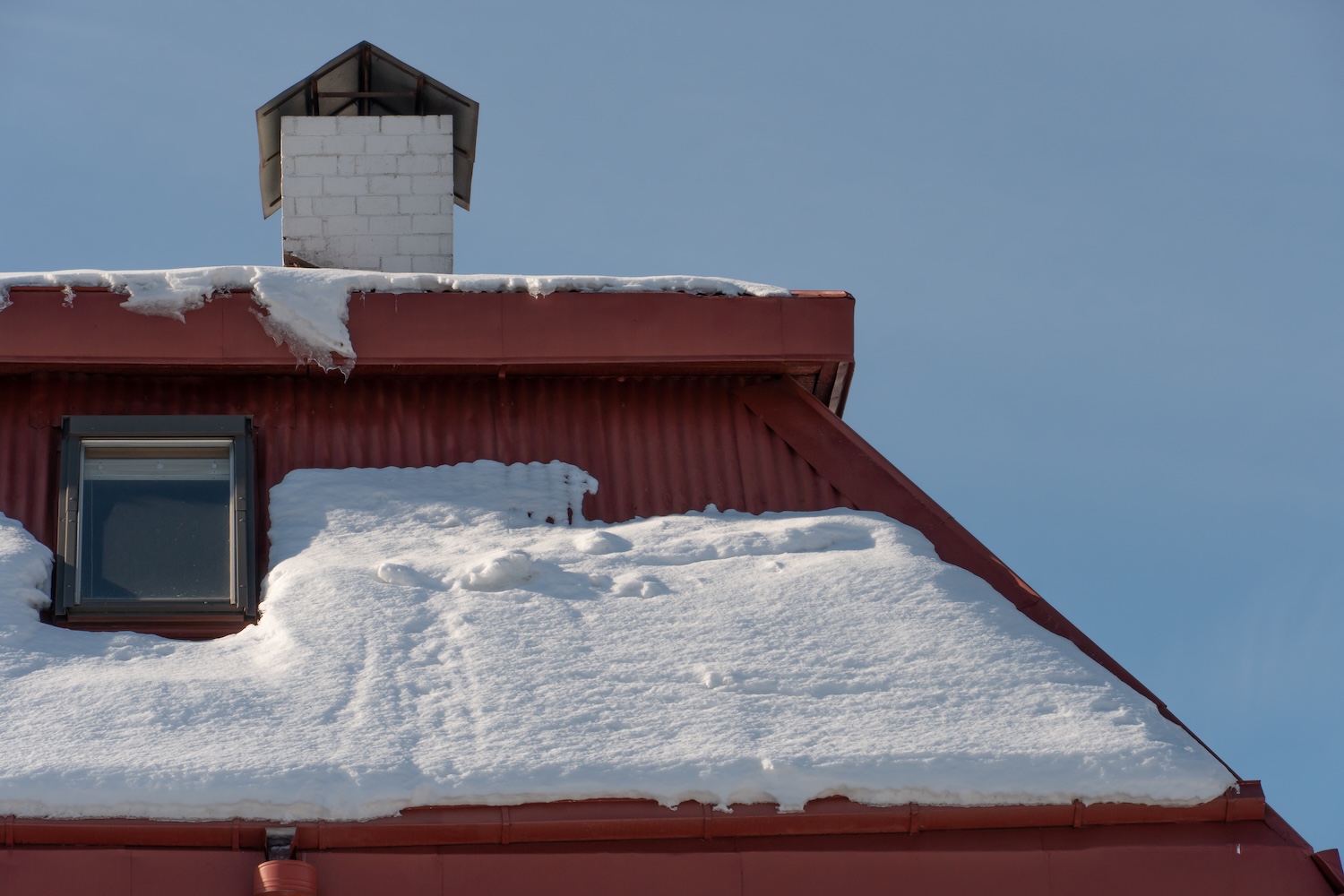
Are you confident your homeowners’ insurance would actually hold up during Colorado’s next major winter storm?
Many homeowners assume that once a policy is in place, they’re covered no matter what winter throws at them. But every year, we see claims denied, delayed, or far more expensive than expected, often because policies weren’t reviewed after purchase or renewal.
Colorado winters are relentless. High winds, frozen pipes, heavy snow loads, and surprise deductibles don’t wait until it’s convenient to double-check coverage.
Why “Set It and Forget It” Is Risky in Colorado Winters
Colorado consistently ranks among states with extreme weather events, particularly wind and winter storms. According to the National Oceanic and Atmospheric Administration (NOAA), winter storms are among the most costly weather events in the U.S., frequently causing damage from freezing temperatures, ice, snow accumulation, and high winds.¹
If you purchased or renewed your policy last year, it’s worth understanding what may not be as protected as you think, especially as conditions worsen during peak winter months.
This is why we often remind homeowners that insurance should evolve alongside the home itself, a theme we explored in Homeowner Basics 101: Your Annual Insurance Checklist (Colorado).
Wind Events: One of Colorado’s Most Overlooked Risks
Colorado homeowners tend to think of winter damage as snow and ice, but wind is often the bigger threat. In December 2025, a powerful windstorm tore through the Front Range with gusts exceeding 100 mph in some areas, causing widespread power outages, downed trees, and structural damage to homes and roofs. Local utilities reported tens of thousands of customers without electricity, increasing the risk of frozen pipes, interior water damage, and emergency repairs during extreme cold. Events like this highlight a critical gap many homeowners don’t realize exists: wind damage often carries separate deductibles, coverage limits, or exclusions that differ from standard storm claims. When policies haven’t been reviewed recently, homeowners are often surprised to learn how much of that damage they’re responsible for out of pocket.2
What many homeowners don’t realize:
- Wind and hail often have separate deductibles
- These deductibles may be a percentage of your dwelling limit, not a flat dollar amount
- A lower premium sometimes means higher out-of-pocket exposure during a claim
We dive deeper into this trend in Understanding the Rising Wind and Hail Deductibles, where we explain why homeowners are seeing more risk shifted onto them—even when premiums stabilize.
Frozen Pipes: Covered… Until They Aren’t
Frozen pipes remain one of the most common winter claims in Colorado. However, coverage often depends on whether “reasonable care” was taken to maintain heat and prevent freezing.
Water damage from freezing pipes is typically covered only if the homeowner took steps to maintain heat or properly shut off and drain systems.
That means:
- Vacant or seasonal homes face higher scrutiny
- Unheated basements, crawlspaces, or garages may trigger claim issues
- Preventive steps matter as much as the damage itself
This is why Winter-Proofing Your Home: What Insurance Covers and What It Doesn’t remains one of the most important reads before temperatures drop further.
Roof Stress: Snow Load Isn’t Always Obvious
Heavy, persistent snowfall places significant stress on roofsespecially older ones or those with prior wear. While storm damage is generally covered, gradual deterioration is not.
If your roof has aged since your last review or if renovations have changed load-bearing structures, your coverage may not reflect today’s risk. This ties closely to what we outlined in How Renovations Affect Home Insurance Premiums, where changes to your home can affect both coverage and claim outcomes.
Deductible Surprises Are the Real Storm
One of the biggest shocks homeowners face isn’t whether a claim is covered; it’s how much they owe before coverage begins.
Between percentage-based deductibles, special wind/hail provisions, and rising repair costs, a winter claim can quickly turn into a five-figure out-of-pocket expense if expectations don’t match policy language.
If you’ve ever wondered why your neighbor’s claim experience looked very different than yours, What Homeowners Insurance Really Covers and What Many People Miss explains why policies vary so widely even on the same street.
The Bottom Line
If you bought or renewed a homeowners policy last year, now is the moment to understand it before the next storm forces the conversation. Winter losses don’t just test your home; they test whether your coverage truly matches Colorado’s realities.
FAQs
Q: Does homeowners’ insurance cover wind damage in Colorado?
A: Generally, yes, but wind damage may be subject to a separate or percentage-based deductible depending on your policy.
Q: Are frozen pipes always covered?
A: Coverage usually depends on whether reasonable steps were taken to maintain heat or prevent freezing.
Q: Why is my winter deductible higher than I expected?
A: Many policies now use percentage deductibles for wind and hail, which increase out-of-pocket costs as home values rise.
Q: Should I review my policy every winter?
A: At minimum, annually and anytime you’ve had renovations, roof changes, or carrier updates.
Q: What’s the best time to review coverage?
A: Before storm season peaks, when you still have time to adjust, not after a claim.
Sources
