
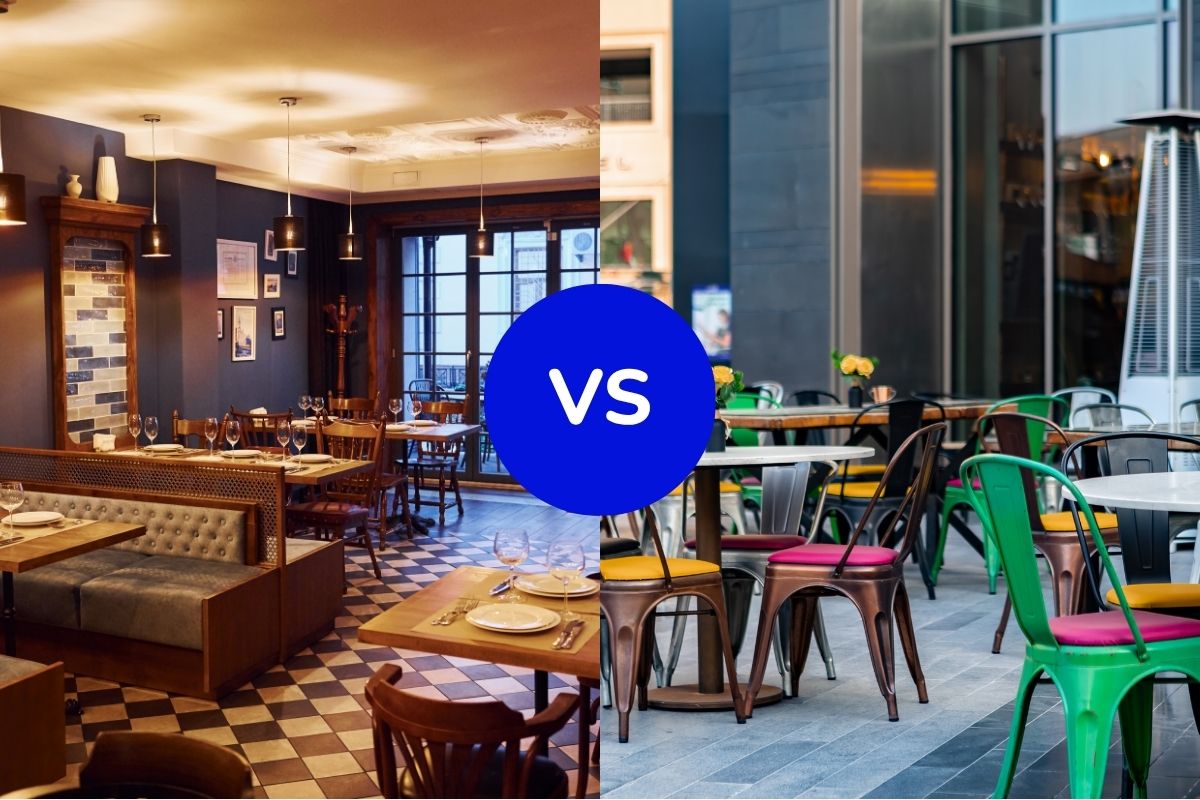
Why does one business pay significantly more for insurance than another business right down the street?
Main Street Cafe and Corner Kitchen sit less than two blocks apart in downtown Denver.
Both are local restaurants.
Both serve breakfast and lunch.
Both have similar square footage.
Both stay busy year-round.
Yet when renewal season arrives, their insurance premiums look completely different.
Many business owners assume insurance pricing is based primarily on location or industry. While those factors certainly matter, they’re only part of the story.
In reality, two businesses operating on the same street can have vastly different insurance costs because insurers evaluate dozens of factors behind the scenes. Building condition, risk management practices, operations, vehicles, claims history, and coverage choices all play a role.
Let’s look at why Main Street Cafe and Corner Kitchen ended up with very different insurance costs despite appearing nearly identical from the outside.
Main Street Cafe Owns a 1980s Building With an Aging Roof
Main Street Cafe purchased its building decades ago.
The structure was built in the early 1980s and still has many original components. While the business has been successful for years, several major updates have been delayed, including portions of the roof and some electrical systems.
Corner Kitchen, on the other hand, leases space in a newer building that recently underwent renovations.
From an insurance perspective, older roofs, aging wiring, and outdated building systems can increase risk. Carriers know that older structures may be more susceptible to weather damage, water intrusion, electrical issues, and costly repairs.
This doesn’t mean older buildings are uninsurable. It simply means insurers often price for the additional exposure they represent.
Corner Kitchen Grew Fast But Updated Their Policy Along the Way
When Corner Kitchen opened three years ago, it started with a relatively simple insurance package.
As the business grew, ownership regularly reviewed coverage and adjusted policies to reflect changing operations.
They added employees.
They increased revenue.
They expanded equipment.
They updated business income coverage.
Main Street Cafe had experienced steady operations for years and hadn’t reviewed coverage in detail recently.
This is one of the reasons we often remind business owners that growth should trigger an insurance review. In our blog, Why Your First Business Insurance Review Matters, we discuss how business changes can quietly create gaps in coverage when policies don’t evolve alongside operations.
Businesses rarely stay the same. Insurance shouldn’t either.
Main Street Cafe Uses Personal Vehicles for Business Errands
Several managers at Main Street Cafe regularly use personal vehicles to pick up supplies, make bank deposits, and handle business-related errands.
Many business owners don’t realize that personal auto policies may not always provide the protection they expect when vehicles are being used for business purposes.
Corner Kitchen implemented clear transportation procedures and maintains appropriate business-related coverage where needed.
Vehicle usage is often one of the most overlooked exposures insurers evaluate.
According to the Insurance Information Institute2, commercial auto exposures remain one of the most significant liability concerns for businesses operating vehicles as part of their daily operations.
Even occasional business use can impact risk evaluations and coverage recommendations.
Corner Kitchen Invested in Risk Prevention
Corner Kitchen takes a proactive approach to managing risk.
They conduct employee safety training.
They maintain fire suppression systems.
They document procedures.
They perform regular maintenance inspections.
They have clear protocols for handling customer incidents.
Main Street Cafe addresses issues as they arise but has fewer documented risk management procedures in place.
Insurance companies pay close attention to prevention efforts because businesses that actively reduce risk often experience fewer and less severe claims.
According to OSHA1, effective workplace safety and health programs can reduce injuries and illnesses while helping businesses lower costs associated with workplace incidents.
Risk prevention doesn’t eliminate insurance costs, but it can influence how insurers evaluate a business over time.
This concept is similar to what we discussed in How Small Businesses in Colorado Can Reduce Liability Risk in 2026. Reducing risk isn’t just about preventing accidents, it’s also about creating a stronger overall insurance profile.
One Business Shops for Coverage. The Other Shops for Price
Perhaps the biggest difference between these two businesses comes down to philosophy.
Main Street Cafe typically focuses on finding the lowest premium possible each renewal cycle.
Corner Kitchen focuses on finding the best overall protection for its business.
Those aren’t always the same thing.
The lowest-priced policy may involve:
- Higher deductibles
- Lower liability limits
- Additional exclusions
- Reduced business income protection
- Less favorable coverage terms
Meanwhile, a policy that costs slightly more may provide significantly better protection when a claim occurs.
As we discussed in Why Business Insurance Feels Complicated (And What Actually Matters), insurance isn’t just about price. It’s about understanding what risks exist and making informed decisions about how those risks are managed.
A lower premium today may not feel like a bargain if a claim reveals a major coverage gap tomorrow.
The Bigger Lesson for Colorado Business Owners
The story of Main Street Cafe and Corner Kitchen illustrates an important reality:
Insurance pricing is rarely based on just one factor.
Two businesses can share:
- The same street
- The same industry
- Similar revenue
- Similar square footage
And still have very different insurance costs.
Building age, operations, claims history, risk management practices, vehicle usage, employee counts, and coverage decisions all contribute to how insurers evaluate risk.
That’s why comparing your premium to another business owner’s premium rarely tells the whole story.
The better question is:
Does your coverage accurately reflect your business today?
Need a Commercial Insurance Review?
If it’s been a few years since you’ve reviewed your business insurance, now may be a good time to revisit your coverage.
At Mitchell Insurance Group, we help Colorado business owners understand not only what they’re paying for, but why.
Whether you’re reviewing an existing policy, growing your business, or simply looking for a second opinion, we’re happy to help.
Contact Mitchell Insurance Group today to schedule a no-obligation commercial insurance review.
FAQs
Why would two similar businesses have different insurance costs?
Insurance companies evaluate many factors beyond industry and location, including building age, claims history, revenue, employee count, vehicle usage, and risk management practices.
Does an older building increase business insurance costs?
It can. Older roofs, electrical systems, plumbing, and construction materials may increase risk exposure, which can affect premiums.
How often should a business review its insurance coverage?
Most businesses should review their coverage annually and anytime significant changes occur, such as growth, renovations, new equipment purchases, or staffing changes.
Do personal vehicles used for business affect insurance?
Yes. Using personal vehicles for business activities can create coverage considerations that should be reviewed with an insurance professional.
Is the cheapest business insurance policy always the best option?
Not necessarily. Lower-cost policies may include higher deductibles, lower limits, or coverage exclusions. The goal should be finding the right balance between cost and protection.
Resources:
- https://www.osha.gov/safety-management
- https://www.iii.org/publications/insuring-your-business-small-business-owners-guide-to-insurance/specific-coverages/business-vehicle-insurance
