
“I made it through the worst of winter, so why did my claim happen in February?”
It’s a question we hear every year.
By February, many Colorado homeowners feel like they’ve already beaten winter. The holidays are over, the deep freezes feel behind us, and daily life starts to normalize again. But in insurance, February is often when winter damage finally shows itself and when claims catch homeowners off guard.
Winter-related damage isn’t just anecdotal; national and regional reporting consistently shows that cold-weather losses peak later in the season, not during the first snowfall.
According to the Insurance Information Institute (III)1, freezing and winter storms are among the most costly causes of homeowners’ insurance losses, with water damage from frozen pipes and roof-related claims ranking near the top of winter claim drivers. The III notes that damage often occurs after prolonged cold exposure, not immediately during a storm.
Here are the most common winter-related claims we see in February, and why they often come as a surprise.
1. Frozen Pipes (That Don’t Burst Right Away)
Frozen pipes are one of the most expensive winter claims, and February is peak season for discovering them.
Why the delay?
- Pipes can freeze during a January cold snap, but don’t burst immediately
- Cracks form silently and leak later when temperatures fluctuate
- Water damage often appears weeks after the freeze
Many homeowners assume, “If it didn’t burst during the freeze, I’m fine.”
Unfortunately, that’s not how pipes behave.
This is why we stress proactive checks and winter-proofing – something we also discuss in Winter-Proofing Your Home: What Insurance Covers and What It Doesn’t.
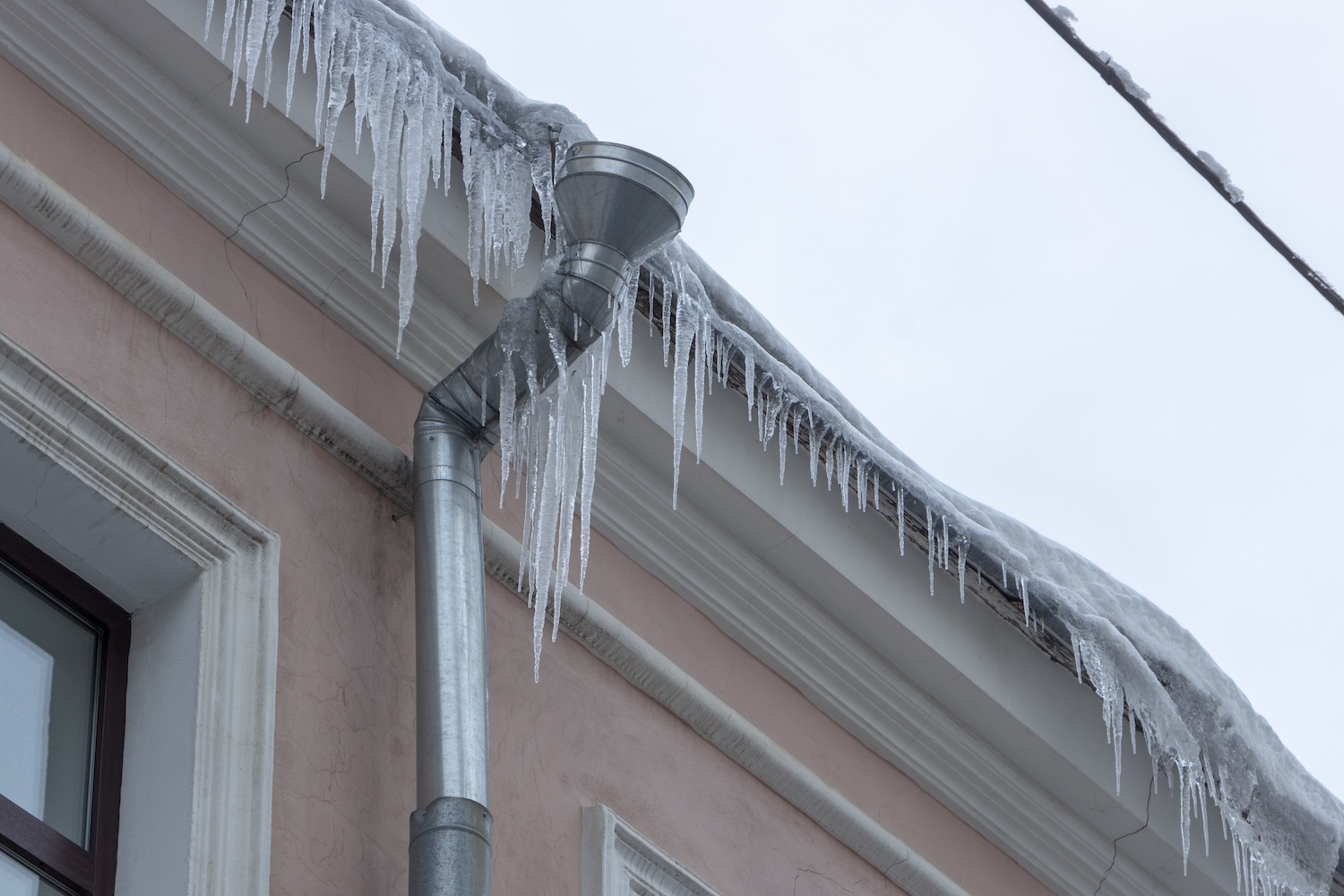
2. Ice Dams and Hidden Roof Damage
February is when ice dams quietly do the most damage.
Snow melts during the day, refreezes at night, and creates ice buildup along roof edges. Water then backs up under shingles and leaks into ceilings and walls often unnoticed until stains appear.
Why it surprises homeowners:
- The roof “looks fine” from the ground
- Damage is hidden behind insulation and drywall
- Many policies require ongoing maintenance, not just reaction
Ice dams are one of the reasons deductible surprises happen, especially when wind or hail deductibles apply. We cover this more deeply in Understanding the Rising Wind and Hail Deductibles.
3. Roof Stress From Repeated Snow Loads
It’s rarely one storm that causes the problem; it’s the accumulation.
By February, roofs may have:
- Endured multiple heavy snowfalls
- Experienced freeze-thaw cycles
- Taken on added stress from ice buildup
Warning signs homeowners miss:
- Sagging or uneven ceilings
- New cracks near door frames
- Subtle popping or creaking sounds
If your home hasn’t been reviewed since construction costs surged, your coverage may not reflect today’s rebuild realities — a common issue we address in Homeowner Basics 101: Your Annual Insurance Checklist (Colorado).
4. Wind Damage That Shows Up Late
Colorado’s winter winds don’t always make headlines, but they’re relentless.
By February, we often see:
- Lifted or loosened shingles
- Damaged flashing
- Fence and exterior structural issues
- Detached gutters or siding
Homeowners are surprised because:
- The wind event happened weeks earlier
- Damage didn’t cause immediate leaks
- Wear-and-tear exclusions can complicate claims
This is where “set it and forget it” insurance falls short.
Why February Claims Feel So Frustrating
Most February claims aren’t caused by a single dramatic event – they’re the result of slow, cumulative winter stress.
And many homeowners only realize:
- Their deductible changed
- Coverage limits weren’t updated
- Certain damages aren’t covered the way they assumed
That’s why winter reviews matter, not just before winter starts, but before it ends.
What You Can Do Right Now
February is the ideal time to:
- Review your homeowners’ policy
- Confirm deductibles and exclusions
- Check coverage limits against today’s rebuild costs
- Identify vulnerabilities before spring storms arrive
A short review now can prevent a costly surprise later.
Frequently Asked Questions
Are frozen pipes always covered by homeowners’ insurance?
Often yes, but only if reasonable precautions were taken to maintain heat and protect plumbing.
Do ice dams count as roof damage?
Sometimes. Coverage depends on policy wording, maintenance requirements, and how water entered the home.
Is wind damage treated the same as hail damage?
Not always. Many Colorado policies have separate wind or wind/hail deductibles.
Why do claims show up weeks after winter storms?
Because many winter damages develop slowly and remain hidden until temperatures fluctuate.
Should I review my policy even if I didn’t file a claim this winter?
Yes. A claim-free year doesn’t mean your coverage is aligned with current risks or costs.
Winter doesn’t end when the snow melts, and neither do its insurance consequences.
If you’re unsure how your homeowners policy would respond to frozen pipes, roof damage, or late-season wind claims, now is the time to review it, before the next season brings a new set of risks.
References:
