
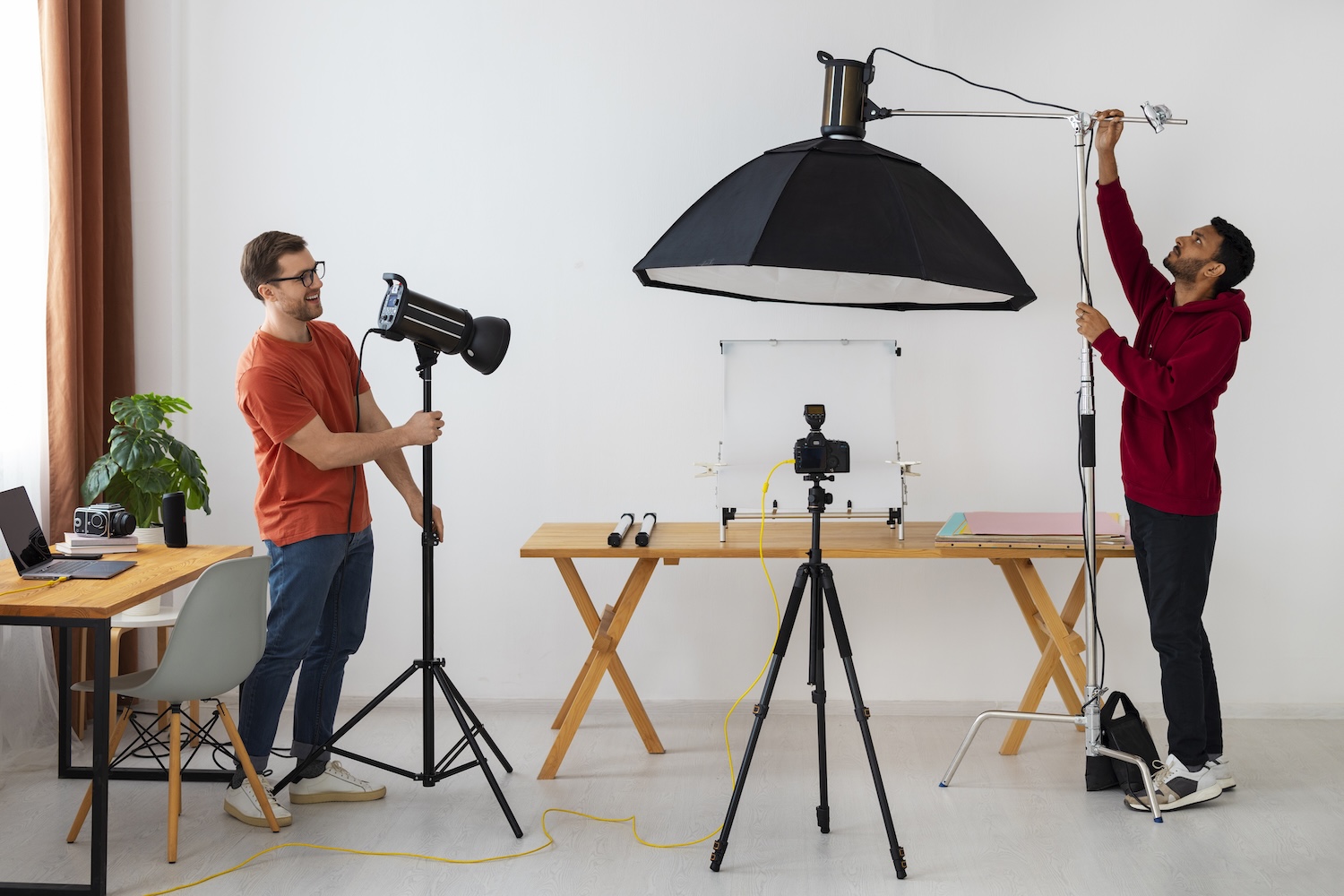
What insurance does a mobile business need when its tools, equipment, employees, and services regularly leave its primary business location?
For many businesses, work doesn’t happen inside four walls.
A mobile mechanic may spend the day repairing vehicles in customers’ driveways. A photographer might carry thousands of dollars of cameras and lighting equipment from one venue to another. Caterers transport food, equipment, and supplies to events. Cleaning companies send employees into customers’ homes and offices every day.
Contractors, mobile pet groomers, event vendors, and dozens of other businesses operate the same way.
And that creates an important insurance question:
What happens to your business property and liability exposure once you leave your primary location?
Many business owners assume that if their equipment belongs to the business, their commercial property insurance automatically follows it everywhere.
That isn’t always the case.
For mobile businesses, understanding where you work, what you take with you, how you get there, and what happens while you’re at a customer’s property can be just as important as understanding what happens at your own business location.
Your Business May Be Mobile Even If You Have a Physical Location
You don’t need to operate out of a van to be considered a business with mobile exposures.
Consider businesses such as:
- Mobile mechanics
- Photographers and videographers
- Caterers
- Residential and commercial cleaning companies
- Mobile pet groomers
- Electricians, plumbers, and other contractors
- Event vendors
- Landscapers
- DJs and entertainment companies
- IT and technology professionals who work on-site
- Businesses that regularly attend trade shows or events
You may have an office, warehouse, studio, or home base. But if employees, property, vehicles, or services regularly travel somewhere else, your insurance needs may extend beyond that location.
As we discussed in What Does a Business Insurance Review Actually Look Like?, one of the first things an insurance agent needs to understand is how your business actually operates day to day.
For mobile businesses, that conversation becomes particularly important.
What Happens to Your Tools and Equipment When They Leave?
Imagine a mobile mechanic who keeps $75,000 worth of tools and diagnostic equipment in a work van.
Or a photographer heading to a wedding with:
- Two professional cameras
- Several lenses
- Lighting equipment
- Laptops
- Memory cards
- Tripods and stands
Those items may spend very little time at the business’s primary location.
Traditional commercial property coverage is often designed around property kept at an insured location. Depending on the policy, there may be limitations or different coverage considerations when business property travels.
That’s where inland marine insurance may become relevant.
Despite the confusing name, inland marine insurance has nothing to do with boats. The Insurance Information Institute1 explains that inland marine insurance covers products, materials, and equipment while they are transported over land or temporarily stored away from the primary business location.
For a mobile business, this can be an important distinction.
What Is Inland Marine Insurance?
Inland marine insurance is designed for property that moves.
Depending on the policy and business, that might include:
- Tools
- Photography equipment
- Computers and electronics
- Contractor equipment
- Event equipment
- Specialized machinery
- Materials being transported
- Property moving between job sites
Travelers2 describes inland marine insurance as property coverage for materials, products, or equipment that are mobile or transportable. It specifically lists property being transported and property moving between locations among the types of exposures this coverage can address.
This doesn’t mean every mobile business automatically needs a separate inland marine policy. Some commercial property or Business Owners Policies may provide certain off-premises coverage.
The important part is knowing what your particular policy covers, where it covers it, and up to what limit.
That’s why assuming “it belongs to my business, so it must be covered” can be risky.
Your Vehicle Is Another Part of the Equation
For many mobile businesses, the vehicle isn’t simply transportation.
It’s part of the operation.
A cleaning company may load supplies into vehicles every morning. A caterer may transport food and serving equipment. A contractor might carry tools and materials between multiple job sites every day.
That raises another question:
How are the vehicles being insured?
If a vehicle is owned by the business or regularly used for business operations, commercial auto insurance may need to be considered.
But there is another distinction business owners can miss:
Insuring the vehicle doesn’t necessarily mean everything inside the vehicle is covered by the auto policy.
The van itself, the tools stored inside it, and liability resulting from driving it can represent separate insurance exposures.
This is exactly why we emphasized in Why Business Insurance Feels Complicated (And What Actually Matters) that business insurance isn’t about collecting as many policies as possible. It’s about understanding the risks created by the way your particular business operates.
What If Employees Use Their Own Cars?
Not every mobile business owns a fleet.
Maybe your employees use their personal vehicles to:
- Travel between customer locations
- Pick up supplies
- Deliver documents
- Visit job sites
- Transport small pieces of equipment
- Run errands for the business
That should be part of your insurance conversation too.
Personal auto and commercial auto coverage serve different purposes, and business owners shouldn’t automatically assume an employee’s personal auto policy addresses every exposure created by business use.
Depending on the circumstances, coverage such as hired and non-owned auto liability may be worth discussing with your insurance agent.
The important thing is to explain who is driving, whose vehicle they’re driving, and what they’re using it for.
Liability Doesn’t Stay at Your Office Either
Property isn’t the only thing that travels.
Your liability exposure does too.
A cleaning employee accidentally damages an expensive fixture inside a client’s home.
A caterer creates a trip hazard while setting up at an event.
A contractor accidentally damages a customer’s property.
A mobile pet groomer is accused of causing an injury to an animal in their care.
A photographer’s lighting stand falls and injures someone at a venue.
These risks occur away from the business’s primary address, but they’re still part of operating the business.
General liability insurance can address certain third-party bodily injury and property damage claims, subject to the terms, limits, and exclusions of the policy.
Depending on what your business does, however, general liability may only be part of the picture.
If you’re unsure about the distinction between different types of liability coverage, our blog General Liability vs. Professional Liability: Which One Do You Need? explains why the service you provide can determine which liability risks need to be considered.
What About Property in Your Care?
Some mobile businesses don’t just bring their own property to a customer’s location.
They also take responsibility for someone else’s.
Think about:
- A mobile mechanic working on a customer’s vehicle
- A pet groomer caring for someone’s dog
- A contractor temporarily removing or handling customer property
- An event vendor taking possession of rented or customer-owned items
- A technology company taking customer equipment off-site for repairs
Standard liability policies can contain exclusions or limitations involving property in your care, custody, or control.
That means a business that routinely handles customer property should specifically discuss that exposure with its insurance agent rather than assuming a standard liability policy will respond in every situation.
The exact solution depends heavily on the business.
What Happens While Property Is in Transit?
There is also the time between Point A and Point B.
Suppose a contractor loads expensive tools into a truck in Denver and drives to a job site.
What happens if those tools are stolen during a stop?
What if equipment is damaged while being transported?
What if an event vendor’s equipment is damaged while traveling to a venue?
Property in transit is one of the reasons inland marine coverage exists. The Insurance Information Institute specifically identifies transported products, materials, and equipment as an inland marine exposure.
The right coverage depends on what you’re transporting, its value, who owns it, how frequently it moves, and the risks involved.
The Value of Your Mobile Equipment Can Add Up Quickly
One reason this exposure gets overlooked is that business owners often think about equipment one item at a time.
A $2,000 camera.
A $1,500 laptop.
A $3,000 piece of diagnostic equipment.
A few power tools.
Several pieces of lighting equipment.
But what would it cost to replace everything you take to a typical job?
For some businesses, the answer can easily reach tens of thousands of dollars.
Create an inventory that includes:
- Equipment description
- Serial number
- Purchase date
- Purchase price
- Current replacement cost
- Photos
- Receipts when available
Then ask yourself how much of that property regularly leaves your primary business location.
That information can make your insurance review much more productive.
Different Mobile Businesses Have Different Risks
“Mobile business” isn’t an insurance category where everyone needs the exact same package.
A photographer and a mobile mechanic may both transport expensive equipment, but their overall risks are very different.
Mobile Mechanics
Consider tools and diagnostic equipment, commercial vehicles, customer vehicles in their care, work performed at customer locations, and employees who may drive for work.
Photographers and Videographers
Consider cameras, lenses, lighting, laptops, equipment in transit, rented equipment, venue liability requirements, and the professional services being provided.
Caterers and Event Vendors
Consider transported equipment and supplies, vehicles, setup and breakdown exposures, customer or venue property, employees, and potential food-related liability exposures.
Cleaning Companies
Consider employees entering customer properties, transported cleaning equipment, accidental property damage, employee vehicle use, and workers’ compensation considerations.
Mobile Pet Groomers
Consider the grooming vehicle, specialized equipment, animals in the business’s care, customer property, and liability arising from services.
Contractors
Consider tools and equipment, materials in transit, job-site liability, commercial vehicles, rented or borrowed equipment, and employees or subcontractors.
The common thread isn’t a particular insurance policy.
It’s mobility.
Your business operates in multiple places, and your insurance strategy needs to account for that reality.
The Question Isn’t Just “What Do I Own?”
A better insurance review for a mobile business asks:
Where is it?
Where are your tools overnight?
Where does your equipment travel?
Where do employees perform work?
Where are your vehicles kept?
Where do you interact with customers?
Where might your business be responsible for someone else’s property?
Those details can reveal risks that aren’t obvious when reviewing a policy based only on your business address.
This also connects to something we discussed in 5 Warning Signs That Your Business Insurance Is Outdated: businesses evolve gradually, and insurance doesn’t automatically change every time the business does.
Maybe you started as a photographer working from a studio and now shoot 30 weddings a year.
Maybe your cleaning company started with you and a bucket of supplies and now has six employees driving to jobs throughout the Front Range.
Maybe your contracting company purchased significantly more equipment but never updated the property values on its policy.
Your coverage should reflect the business you’re operating today.
Take Inventory Before Your Next Insurance Review
If you run a mobile business, you don’t need to become an insurance expert.
But you should be able to explain how your business moves.
Before your next review, make a list of:
- Everything you regularly take off-site
- Approximate replacement value
- Vehicles used for work
- Who drives those vehicles
- Where employees work
- Customer property you handle
- Rented or borrowed equipment
- New services you’ve added
- How frequently you travel between locations
That gives your insurance agent a much clearer picture of your actual risk.
Is Your Mobile Business Properly Covered?
Mobile businesses create unique insurance considerations because the work, property, vehicles, and liability exposures don’t stay in one place.
At Mitchell Insurance Group, we help Colorado business owners look beyond the address on their policy and understand how their actual day-to-day operations affect their insurance needs.
Whether you’re a contractor carrying tools between job sites, a photographer traveling to events, or a growing service company sending employees throughout Colorado, a commercial insurance review can help identify potential gaps before they become expensive surprises.
Contact Mitchell Insurance Group today to review your business insurance and make sure your coverage keeps up wherever your business takes you.
Frequently Asked Questions
Does business property insurance cover equipment away from my business location?
It depends on the policy. Some commercial property policies provide limited off-premises coverage, while businesses that regularly transport valuable tools or equipment may need additional coverage such as inland marine insurance.
What is inland marine insurance?
Inland marine insurance is designed to cover certain business property that moves between locations or is transported over land, such as tools, equipment, electronics, and other mobile property.
Does commercial auto insurance cover tools inside my work vehicle?
Not necessarily. Coverage for the vehicle and coverage for business property carried inside it can be separate. Review both exposures with your insurance agent.
Do I need commercial auto insurance if I use my personal vehicle for work?
It depends on how the vehicle is owned and used. Regular business use of a personal vehicle can create coverage considerations, so explain the specific use to your insurance agent rather than assuming your personal policy is sufficient.
What insurance should a mobile business have?
There isn’t one standard package for every mobile business. Depending on your operations, you may need to consider general liability, commercial property, inland marine, commercial auto, workers’ compensation, professional liability, and other specialized coverages.
Sources
- Insurance Information Institute — Understanding Inland Marine Insurance
- Travelers — Inland Marine Insurance
