
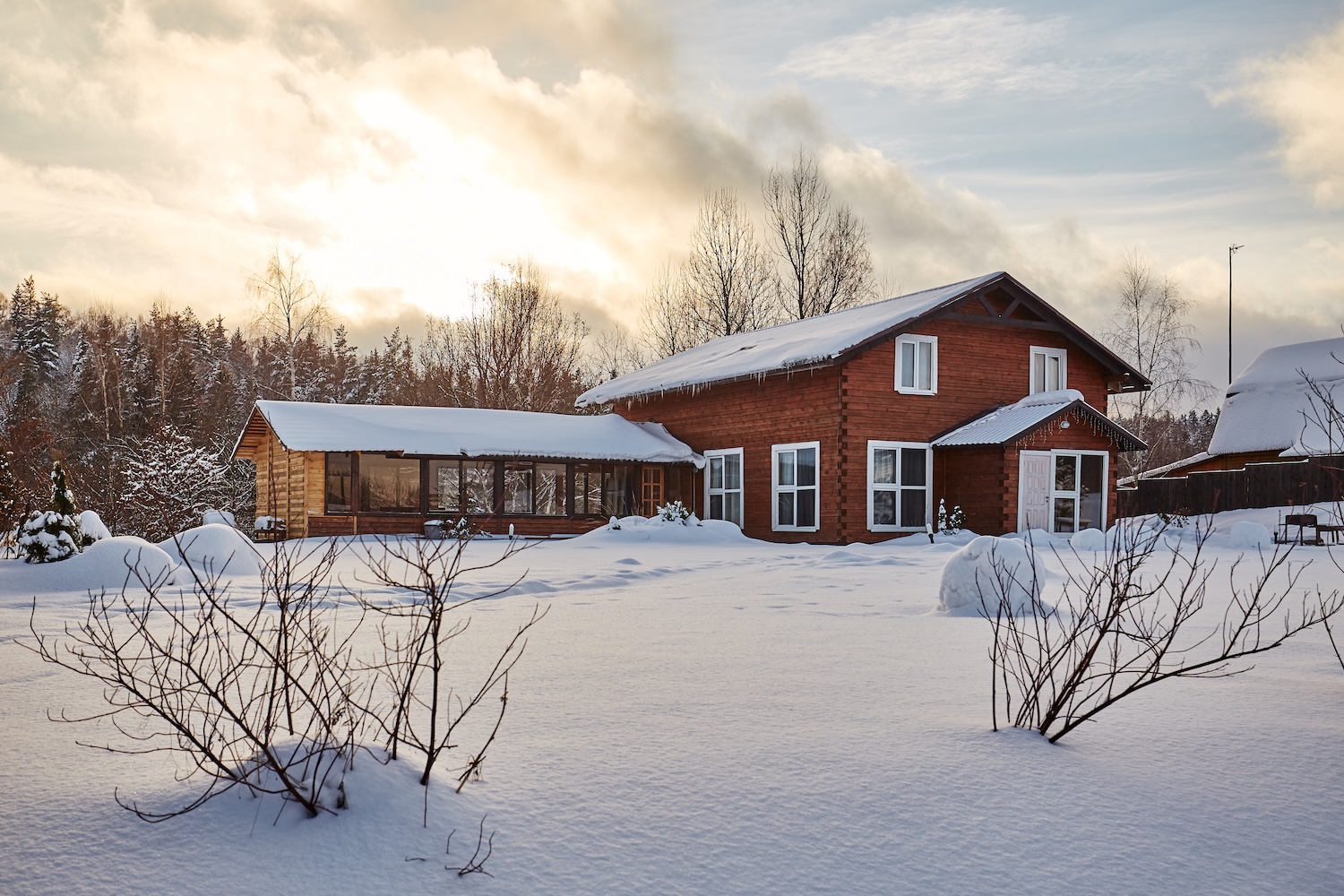
What should Colorado homeowners do at the end of summer to protect their home before fall and winter arrive?
Colorado homeowners know one thing for certain: the weather rarely follows the calendar.
One week you’re watering the lawn in 90-degree sunshine, and the next you’re digging out a winter jacket. Late summer is one of the best times to walk around your property, take care of seasonal maintenance, and make sure your homeowners insurance still reflects any changes you’ve made throughout the year.
As we’ve shared in A Month-by-Month Guide to Colorado Home Insurance Claims, different seasons bring different risks. And after a busy summer of storms, home improvement projects, and outdoor living, now is the perfect time to prepare for whatever Colorado weather brings next.
1. Check Your Roof After Hail and Storm Season
Even if your roof looks fine from the ground, hail damage isn’t always obvious.
Colorado’s hail season can leave behind cracked shingles, damaged flashing, or weakened roofing materials that may not cause noticeable leaks until months later.
Having a qualified roofing professional inspect your roof before winter can help identify issues early.
If storm damage is found, don’t wait too long to contact your insurance company. Many policies and carriers have claim reporting expectations, and delaying an inspection could make the claims process more difficult.
If you’re unsure what your policy covers, our previous blog When Should Colorado Homeowners Prepare for Hail Season and Insurance Coverage? explains why preparing before and after storm season matters.
2. Clean Gutters Before Leaves and Snow Arrive
Leaves, pine needles, and other debris can clog gutters long before winter begins.
Blocked gutters can cause water to overflow, back up under roofing materials, or contribute to ice dams once freezing temperatures arrive.
A simple cleaning now can help your drainage system work properly when Colorado’s first snowstorm hits.
3. Trim Trees and Remove Overhanging Branches
Summer growth often means branches are hanging closer to your roof than you realize.
Trim back limbs that touch or overhang your home and remove dead or damaged branches that could fall during heavy snow or high winds.
According to the Colorado State Forest Service1, homeowners should regularly prune branches hanging over the roof and clear leaves, pine needles, and other debris from roofs and gutters to help reduce wildfire risk and protect their homes.
4. Disconnect Garden Hoses and Prepare Outdoor Plumbing
One of the easiest ways to prevent expensive winter repairs is by preparing exterior water connections before the first freeze.
Be sure to:
- Disconnect garden hoses.
- Drain outdoor faucets if applicable.
- Protect hose bibs and exposed plumbing.
- Shut off exterior water lines if your home has that feature.
Frozen pipes and burst hose bibs are common winter claims and they’re often preventable.
5. Update Your Insurance After Summer Home Improvements
Summer is one of the busiest seasons for home projects.
Maybe you added:
- A new deck
- Replacement windows
- Solar panels
- Landscaping
- Outdoor kitchens
- New fencing
- Other major upgrades
These improvements can increase your home’s value or change the way it’s insured.
In our blog How Renovations Affect Home Insurance Premiums, we explain why it’s important to notify your insurance advisor after significant home improvements rather than waiting until renewal.
A quick policy review can help ensure your coverage keeps pace with your investment.
6. Prepare for Colorado’s Sudden Weather Swings
Colorado weather has a reputation for changing quickly and for good reason.
It’s not unusual to experience warm afternoons followed by freezing overnight temperatures within the same week.
That makes late summer an ideal time to:
- Test your heating system.
- Seal small exterior gaps.
- Replace worn weatherstripping.
- Check attic ventilation.
- Inspect exterior caulking around windows and doors.
Small maintenance tasks today can help prevent larger issues later.
7. Don’t Forget About Drought Conditions
Even as temperatures begin cooling, drought conditions may continue across parts of Colorado.
Trees and shrubs often need supplemental watering heading into fall, especially if rainfall has been limited.
Healthy landscaping is more resilient heading into winter and can reduce stress on mature trees.
8. Create a Safer Space Around Your Home
Preparing for fall isn’t just about snow, it’s also about reducing fire risk.
Late summer and early fall often bring dry vegetation, fallen leaves, pine needles, and windy conditions.
The Colorado State Forest Service2 recommends homeowners:
- Remove leaves, pine needles, and debris from roofs, decks, and gutters.
- Rake combustible materials away from the first five feet around the home.
- Prune branches near the roof.
- Keep combustible items away from the home’s exterior whenever possible.
These simple steps not only reduce wildfire risk but also help keep your property cleaner heading into winter.
A Quick Walk Around Your Home Can Make a Big Difference
Preparing your home for fall doesn’t have to happen all at once.
Taking an hour to walk around your property, inspect for damage, complete seasonal maintenance, and review any recent home improvements can help prevent surprises later in the year.
Just as your home changes over time, your insurance should too.
Whether you’ve completed renovations, replaced your roof, or simply want to confirm your coverage is still appropriate, a policy review is one of the easiest ways to protect what matters most.
Mitchell Insurance Group Is Here to Help
Colorado homeowners face unique weather challenges every season. At Mitchell Insurance Group, we’re here to help you understand your coverage, answer your questions, and make sure your homeowners insurance continues to fit your home and your lifestyle.
If it’s been a while since you’ve reviewed your policy, we’d be happy to help.
Frequently Asked Questions
Should I have my roof inspected every year in Colorado?
Yes. Because Colorado experiences frequent hailstorms and severe weather, an annual roof inspection can help identify damage before it leads to larger problems.
Do I need to tell my insurance company about home improvements?
Yes. Significant upgrades such as decks, windows, solar panels, additions, or major renovations can affect your home’s replacement value and insurance needs.
When should I disconnect outdoor hoses in Colorado?
Before the first hard freeze. Removing hoses and preparing outdoor plumbing can help prevent frozen pipes and damaged hose bibs.
Why is clearing debris around my home important?
Removing leaves, pine needles, branches, and other combustible materials helps reduce wildfire risk and can also prevent moisture buildup around your home.
How often should I review my homeowners insurance?
At least once a year—or anytime you’ve completed major home improvements, purchased expensive property, or experienced significant life changes.
Sources:
- https://csfs.colostate.edu/wildfire-mitigation/protect-your-home-property-from-wildfire
- https://csfs.colostate.edu/live-wildfire-ready
